

Milestones
Clinical Programs


Read More
How do I access Milestones’ medication management services?
You can access medication management services from Milestones Clinic either by seeing a Milestones clinician for mental health services or through a referral from your existing provider.
Do I need to have a dual diagnosis (mental health and IDD) to access medication management from Milestones?
No, medication management services are also available to individuals without an intellectual or developmental disability. To access medication management, you must have a mental health diagnosis, either from Milestones Clinic or another mental health care provider.
What sort of diagnoses may access medication management?
Milestones Clinic provides medication management for individuals experiencing ADHD, depression, OCD, autism, and other diagnoses. For more details, please contact Infiniti Bland at ibland@stonebelt.org.
Does Milestones Clinic offer pharmacy services?
No. Milestones Clinic provides medication management services, but prescriptions must be filled through a pharmacy.
Read More
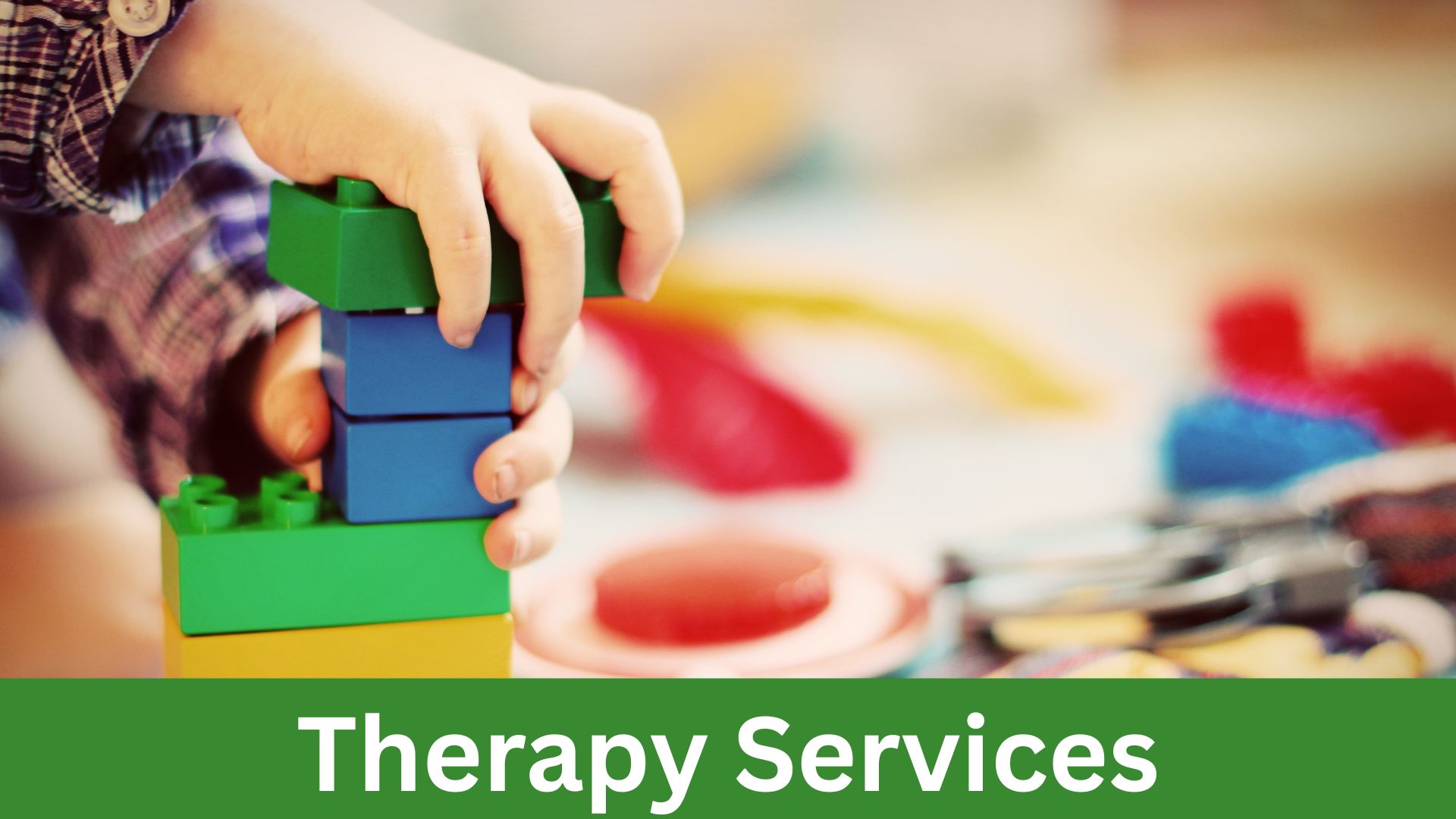
Milestones has master’s-level clinicians and a variety of support services staff available to meet the needs of children, adolescents, adults, families, and individuals with developmental disabilities.
ADHD
Autism Spectrum Disorder
Generalized Anxiety Disorder (GAD)
Intellectual or Developmental Disability
Major Depressive Disorder
Mood Disorders
Neurodiversity
Obsessive Compulsive Disorder (OCD)
Panic disorders
Personality Disorders
Phobias
PTSD
Selective Mutism
Separation Anxiety
Social Anxiety
Trichotilliomania
At this time, Milestones does not offer treatment for disordered eating or substance abuse.
Read More
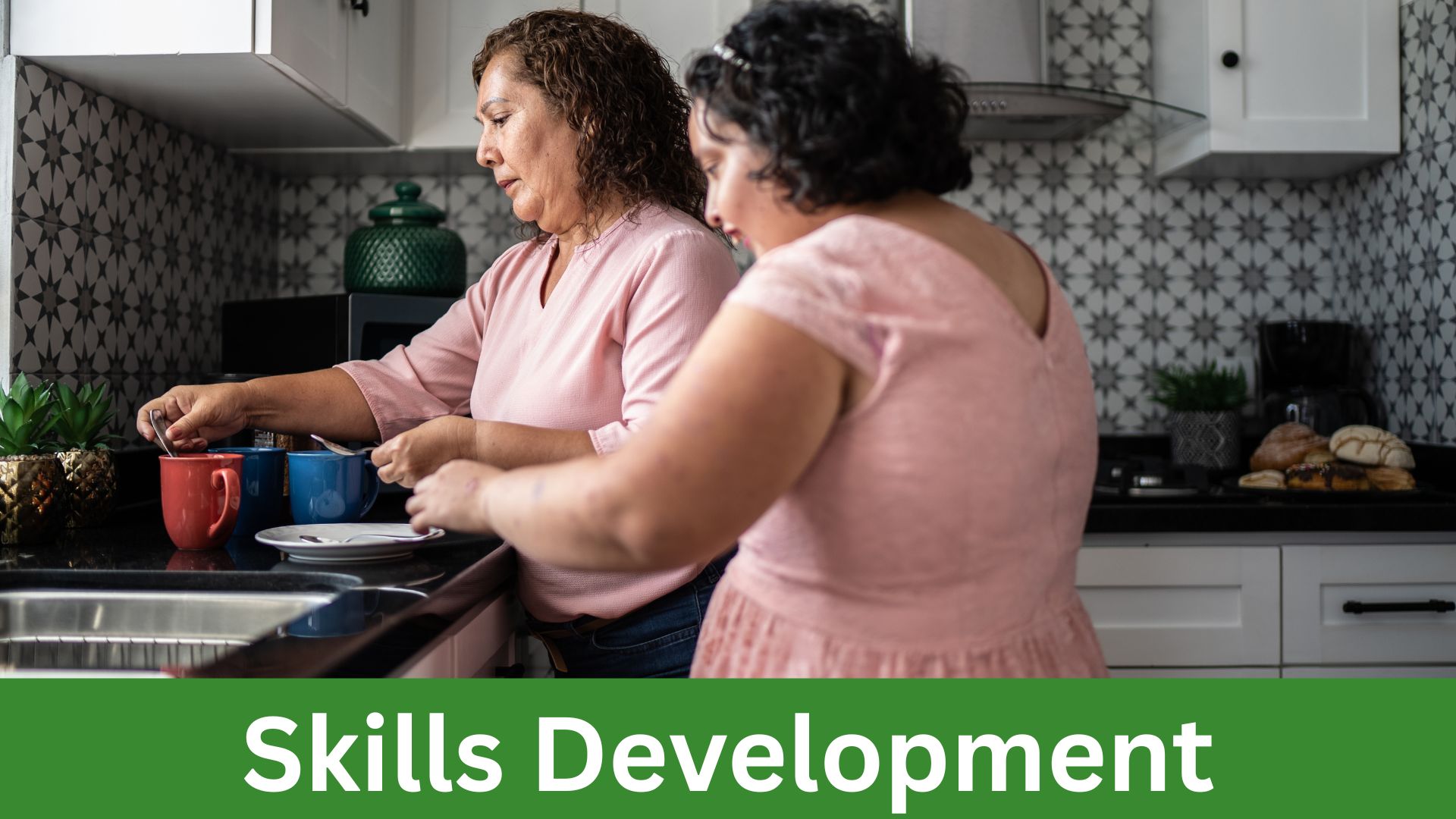
Through coaching, skills education, and training, we support clients in modifying or relieving symptoms that may disrupt relationships, social participation, or everyday life. We work with clients, their family, and their staff, both in the home and in the community, to strengthen skills wherever a client needs them.
Individualized treatment plan.
Home-based interventions.
Coordination between home and other providers.
Parental engagement.
Parent and staff training.
Social and community-based interventions.
Increased community participation and inclusion.
Management of stress/social anxiety.
Coordination between home and social/leisure providers.
Have a dual diagnosis (intellectual or developmental disability and mental health diagnosis.)
Are school-aged, adolescent, adult, or senior.
Frequent behavioral outbursts.
Sudden change in social interactions.
Change in sleep or dietary patterns.
Social withdrawal.
Emotions that do not match situations.
Inappropriate aggression or sadness.
Feelings/thoughts of hurting oneself.
Anxiety.
Excessive emotional reactions.
Oppositional-Defiant behavior.
Poor skills of daily living (i.e., hygiene, organization, communication, problem solving.)
Read More
Have either a Family Supports Waiver (FSW) or a Community Integration and Habilitation Waiver (CIH).
Have challenging behaviors that pose a danger to themselves or others.
Are school-aged, adolescent, adult, or senior.
Assessment and Observation:
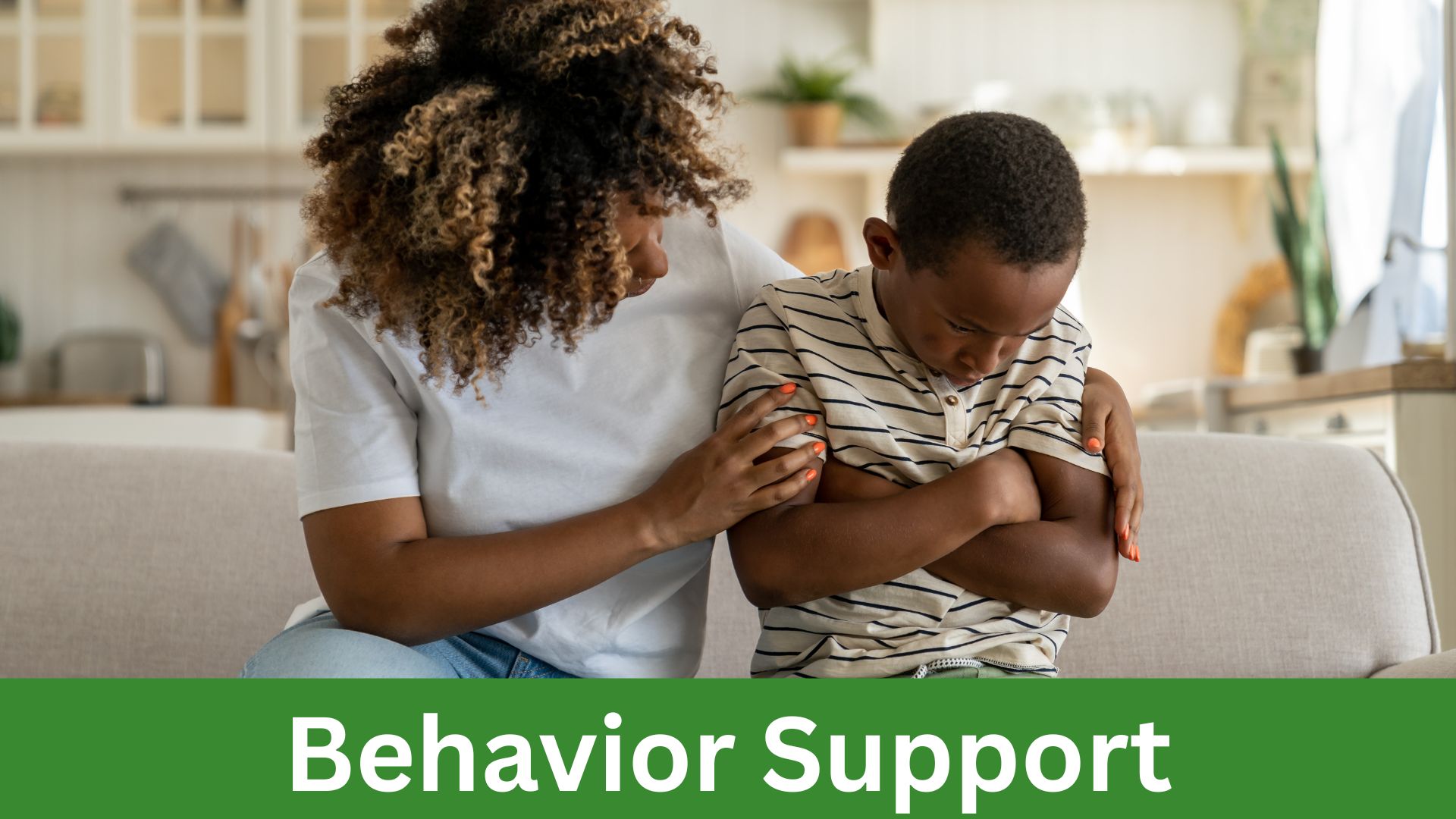
During assessment and observation, our team works to understand what behaviors are getting in the way of an individual achieving their best quality of life, and the “why” behind these behaviors. We recognize that challenging behaviors are just one way of communicating needs, and we work to support individuals in feeling safe, confident, and understood so they can build other ways of communicating.
Behavior Support Plan Development:
In developing a Behavior Support Plan, we go step-by-step through identifying triggers for challenging behaviors and building replacement skills that they can use instead. We also assess options to change the client’s environment to reduce triggers and create strategies for caregivers and staff to support the client.
Family, Staff, and Caregiver Training:
In addition to directly supporting the client, we prepare family members, staff, and caregivers to utilize the Behavior Support Plan. Our goal is to create a strong support system and keep everyone safe as clients build new skills.
Consultation:
Not all challenging behaviors require a full Behavior Support Plan – consultation services offer less intensive support for up to 3 hours per month. Consultation can also be used as needs change over time, for example, while navigating Dementia or Alzheimer’s Disease.
Read More
Milestones has master’s-level clinicians and a variety of support services staff available to meet the needs of children, adolescents, adults, families, and individuals with developmental disabilities.
ADHD
Autism Spectrum Disorder
Generalized Anxiety Disorder (GAD)
Intellectual or Developmental Disability
Major Depressive Disorder
Mood Disorders
Neurodiversity
Obsessive Compulsive Disorder (OCD)
Panic disorders
Personality Disorders
Phobias
PTSD
Selective Mutism
Separation Anxiety
Social Anxiety
Trichotilliomania
At this time, Milestones does not offer treatment for disordered eating or substance abuse.
Read More
How do I access Milestones’ medication management services?
You can access medication management services from Milestones Clinic either by seeing a Milestones clinician for mental health services or through a referral from your existing provider.
Do I need to have a dual diagnosis (mental health and IDD) to access medication management from Milestones?
No, medication management services are also available to individuals without an intellectual or developmental disability. To access medication management, you must have a mental health diagnosis, either from Milestones Clinic or another mental health care provider.
What sort of diagnoses may access medication management?
Milestones Clinic provides medication management for individuals experiencing ADHD, depression, OCD, autism, and other diagnoses. For more details, please contact Infiniti Bland at ibland@stonebelt.org.
Does Milestones Clinic offer pharmacy services?
No. Milestones Clinic provides medication management services, but prescriptions must be filled through a pharmacy.
Read More
Through coaching, skills education, and training, we support clients in modifying or relieving symptoms that may disrupt relationships, social participation, or everyday life. We work with clients, their family, and their staff, both in the home and in the community, to strengthen skills wherever a client needs them.
Individualized treatment plan.
Home-based interventions.
Coordination between home and other providers.
Parental engagement.
Parent and staff training.
Social and community-based interventions.
Increased community participation and inclusion.
Management of stress/social anxiety.
Coordination between home and social/leisure providers.
Have a dual diagnosis (intellectual or developmental disability and mental health diagnosis.)
Are school-aged, adolescent, adult, or senior.
Frequent behavioral outbursts.
Sudden change in social interactions.
Change in sleep or dietary patterns.
Social withdrawal.
Emotions that do not match situations.
Inappropriate aggression or sadness.
Feelings/thoughts of hurting oneself.
Anxiety.
Excessive emotional reactions.
Oppositional-Defiant behavior.
Poor skills of daily living (i.e., hygiene, organization, communication, problem solving.)
Read More
Have either a Family Supports Waiver (FSW) or a Community Integration and Habilitation Waiver (CIH).
Have challenging behaviors that pose a danger to themselves or others.
Are school-aged, adolescent, adult, or senior.
Assessment and Observation:
During assessment and observation, our team works to understand what behaviors are getting in the way of an individual achieving their best quality of life, and the “why” behind these behaviors. We recognize that challenging behaviors are just one way of communicating needs, and we work to support individuals in feeling safe, confident, and understood so they can build other ways of communicating.
Behavior Support Plan Development:
In developing a Behavior Support Plan, we go step-by-step through identifying triggers for challenging behaviors and building replacement skills that they can use instead. We also assess options to change the client’s environment to reduce triggers and create strategies for caregivers and staff to support the client.
Family, Staff, and Caregiver Training:
In addition to directly supporting the client, we prepare family members, staff, and caregivers to utilize the Behavior Support Plan. Our goal is to create a strong support system and keep everyone safe as clients build new skills.
Consultation:
Not all challenging behaviors require a full Behavior Support Plan – consultation services offer less intensive support for up to 3 hours per month. Consultation can also be used as needs change over time, for example, while navigating Dementia or Alzheimer’s Disease.